
Wellness used to sit neatly in health, fitness, nutrition and self-care. People exercised to get fitter, ate well to be healthier and bought activewear to perform better.
But that definition now feels outdated, and too narrow.
Wellness has become social, emotional, aesthetic and cultural. It's multi-dimensional. It shapes how people spend time with friends, what they wear, what they eat and drink, how they structure their week, and how they signal the kind of life they want to live.
From exercise to social fabric
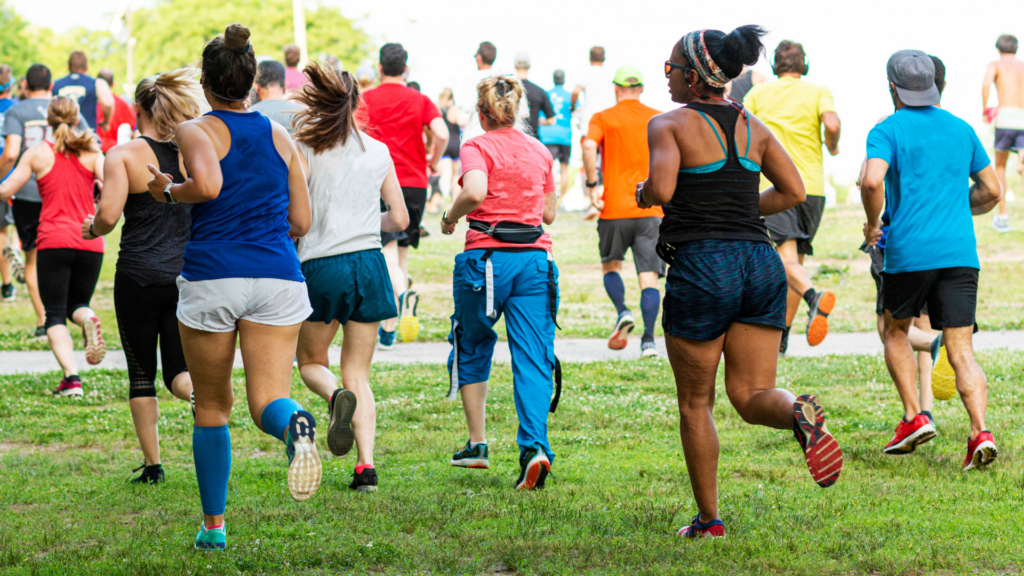
Run clubs are a clear example. On paper, they may look like they're about exercise. In reality, they are also about friendship, routine, confidence, community and belonging. The value is not only in the kilometres covered. It is in the coffee or drink afterwards, the group chat, the outfit, the shared progress and the feeling of showing up.

This shift is visible in the numbers too. Strava reported that new clubs on its platform nearly quadrupled in 2025, reaching one million in total. Running is no longer just a solo fitness activity. It has become social fabric.
But running is only one expression of a much wider shift.
When movement becomes an occasion
Padel shows the same behaviours from a different angle. Its growth is not just about people wanting a new way to exercise. Its appeal lies in the fact that it sits between sport, socialising and leisure. It is competitive without feeling overly serious, active without feeling punishing, and social without needing to revolve around food or alcohol. It can work for friends, couples, colleagues and mixed-ability groups, which gives it a reach that many more traditional fitness formats struggle to achieve.
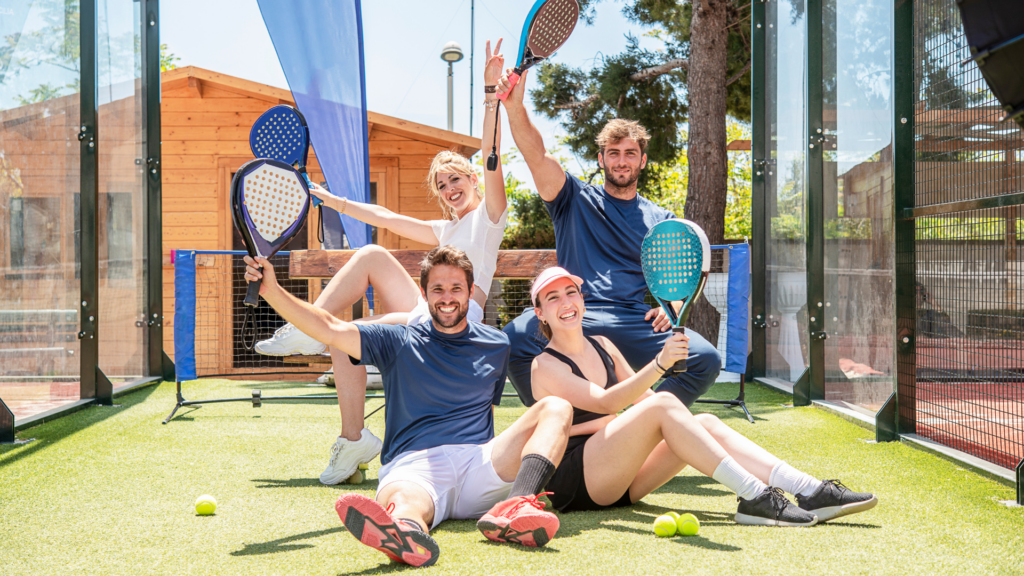
In Britain, padel participation more than doubled in 2025, reaching 860,000 adults and juniors. And the appeal is not confined to one age group or one type of person. It speaks to a broader appetite for activities that combine movement, enjoyment, connection and lifestyle.
That is what makes wellness so interesting now. It is no longer one category. It is a blending of behaviours serving multiple needs at once. Brands that understand this are not simply selling products into a category. They are building around behaviours.
Brands building around behaviours
Nike and Adidas have long used running communities to create loyalty beyond product, but some of the most interesting examples are more accessible and everyday. Puresport has built around run clubs, recovery and shared self-improvement. Parkrun has shown how powerful movement can become when it is free, local, repeatable and social.
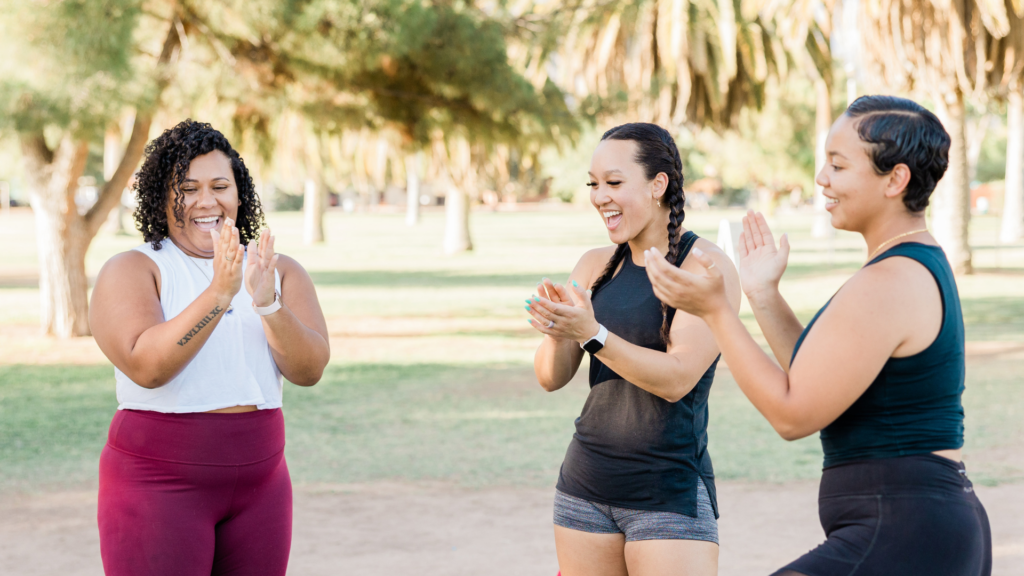
The same is happening beyond running. This Girl Can reframed exercise around real bodies, real lives and confidence, rather than performance or perfection.
Padel clubs, wellness studios, cycling groups, walking communities, reformer Pilates classes and cold-water swimming groups are not just selling exercise; they are creating occasions. Some are social. Some are restorative. Some are about performance. Some are about identity. Often, they are several things at once.
Wellness in everyday routines
Food and drink are part of the same story. Huel is not just selling nutrition; it is selling convenience, control and a more efficient everyday routine. MOJU has made functional shots feel like a simple, everyday wellness habit rather than a niche health-store product. Three Spirit shows how wellness is moving into social occasions, offering an alcohol-free alternative built around mood, energy and relaxation rather than abstinence alone. Smaller, education-led brands such as The Gut Stuff show how wellness can also be about helping people understand their bodies in a less intimidating, more everyday way.
That is why traditional category thinking can miss what is really going on.

The question for brands
If we look at wellness only through exercise, we miss the social need. If we look only through nutrition, we miss the identity signal. If we look only through fashion, we miss the emotional reward. If we look only through health, we miss the role of community, status and belonging.
Brands need to be asking “What role are we playing in people’s lives?” rather than thinking about what category they're in.
People do not experience their lives through or within categories. The same behaviour can be about health in one moment, friendship in another, confidence in another and self-expression in another.
Wellness shows us what brands risk missing when they stay too close to the language of their own industry. The most interesting opportunities are often not inside the boxes we use to organise consumers, but between them.
Challenge Assumptions. Talk to Hummingbird Insights