
Technology has earned its place in our lives. It gets us from A to B. It helps us pay bills in seconds. It gives us answers instantly. It recommends what to watch next, what to buy next, sometimes even what to think next. And most of the time, it works.
But the problem isn’t technology itself, it’s the way we trust it. Too quickly. Too completely. Too automatically.
Because when something looks confident, efficient, and “smart”, we often stop paying attention. We hand over our judgement. We assume it’s correct. And we don’t always notice we’ve done it.

When technology becomes a shortcut for thinking
A classic example (and one that still makes people laugh) is sat nav. It’s brilliant, right up to the moment it isn’t.
Most of us have had the experience of a navigation app sending us down a route that makes no sense. Or taking us the “fastest” way that involves three U turns, a dodgy side road, and a mysterious loop past an industrial estate. And yet, we follow it… because it must know best.
We don’t question it because we’ve learnt that it’s usually right. And even when it’s wrong, we often assume we’re the problem.
That same dynamic shows up everywhere:
- Auto-fill “helpfully” puts the wrong details into a form
- A calendar invite shifts time zones without anyone noticing
- A spreadsheet formula is copied incorrectly and quietly throws off a forecast
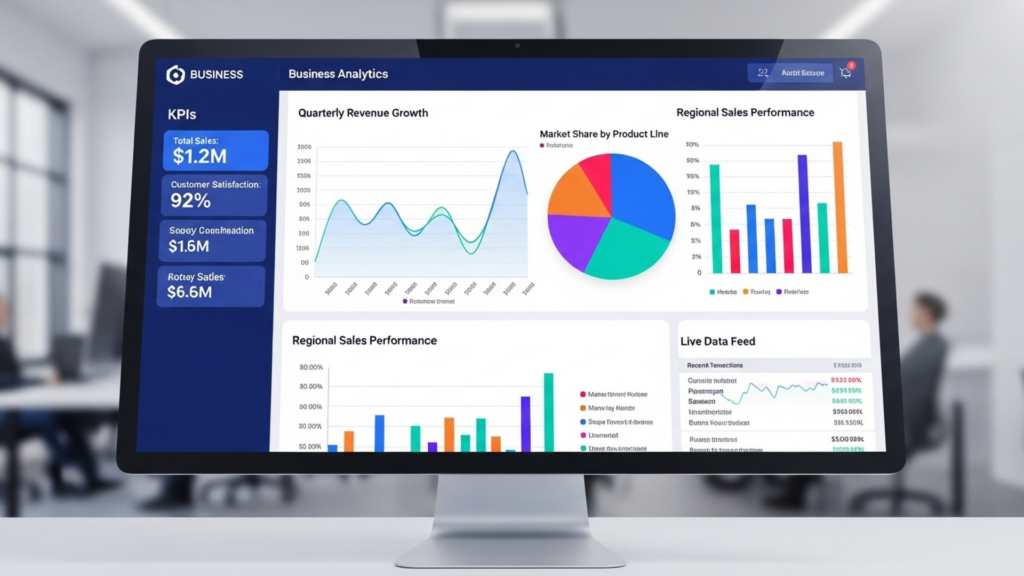
- A dashboard reports a number with confidence… even when the inputs are inaccurate or incomplete
Technology is brilliant at processing. But it doesn’t understand. And that gap matters, especially in insight.
Why we trust technology more than we should
Humans are inconsistent. We get tired, we miss things, we disagree, we bring bias.
In contrast, technology feels like the opposite: consistent, fast, rational, neutral – it never runs out of energy. So we treat it like it’s more accurate than we are.
But technology isn’t “truth”. It’s a machine following rules, and those rules are created by people, trained on data, shaped by assumptions. Even very good tools can still misinterpret context, miss nuance, amplify bias and flatten complexity into something neat yet misleading.
The outputs can look polished. Even persuasive. But that doesn’t mean they’re right.
The real risk: losing the ability to navigate
Sat nav hasn’t just changed how we drive, it’s changed how we think.
We don’t learn routes the same way. We don’t build spatial awareness in the same way. If the app fails, many of us feel instantly lost.
In insight work, a similar risk is creeping in.
If technology increasingly does the groundwork - summarising, sorting, theming, highlighting - what happens to the skills underneath?
And that’s the part technology doesn’t do for you
Some of the most important unlock moments in research aren’t neat or tidy. They’re messy:
- the uncomfortable quote that doesn’t fit the narrative, highlighting a hidden truth
- the tension between what people say and what they do
- the nuance that changes how you interpret the whole thing
- the insight that only makes sense once you understand the context around it
Technology can surface information but it doesn’t always know what to do with it. And if we’re not careful, we end up with insights that are fast, confident… and flat.
A wider technology truth: systems fail, and people forget they can
The last few years have been full of reminders that modern life is held together by systems that are powerful yet fragile. When a service goes down or a platform breaks the disruption is immediate, because we’ve become reliant on it in ways we don’t always notice.
And this is where blind trust becomes risky. We don’t build in human sense-checking. We stop developing foundational skills. We assume “the tech” is always right. We’re moving so fast that we fail to spot mistakes. We lose judgement.
The more automated things become, the more valuable human judgement becomes.
Challenge Assumptions. Talk to Hummingbird Insights