

As a child, I had many different Barbie dolls. Even a Ken. This year, like millions of others, I hugely enjoyed the new Barbie movie. Not only is it a superbly fun film, but the creativity and coherence of the accompanying promotional campaign has been spellbinding, inspiring an authentic cultural event. ‘Barbiecore’ is now the new cool, even a symbol of female unity and collective power.
The campaign and movie have of course been a runaway success for the brand. But most significant is the universal appeal of this project – there is no generational divide.
A cultural phenomena like this doesn’t just happen by itself. And neither does it happen overnight. Mattel has been meticulously planning Barbie’s rebirth since 2012, when the toy producer asked itself what positive role it could play for young girls in a fast-changing world? When the brand analysed consumer perceptions, it found that parents were hesitant to buy into Barbie. Little had changed since she was first put into production six decades before and Barbie wasn’t reflecting how far women had come since then. The answer was to help girls realise their potential through imaginary play.
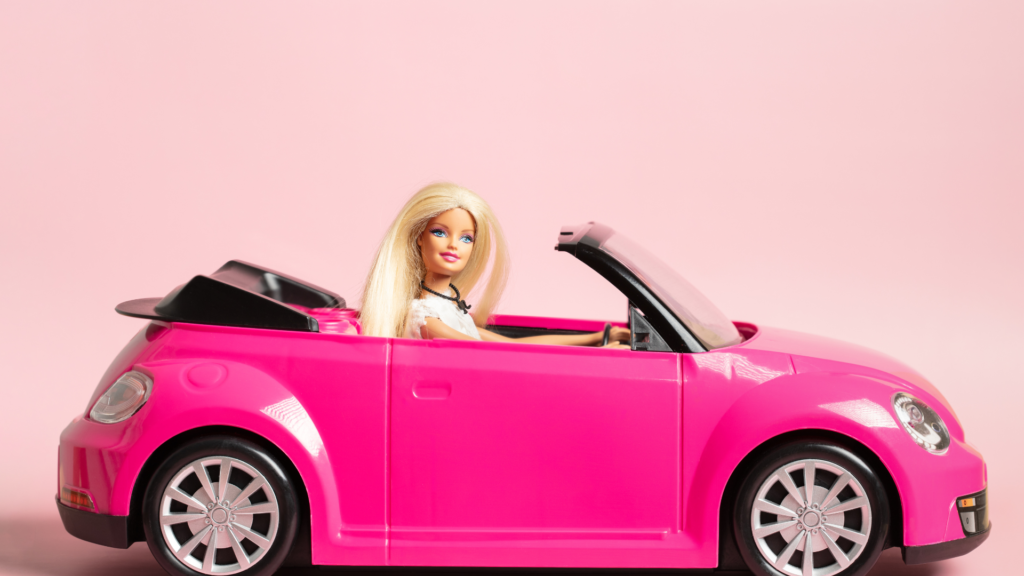
What followed was a new focus on the different careers women could enjoy. Here, Barbie led the culture with revolutionary new incarnations as female astronauts and presidents.
It was a great start. But something was still off. To their credit, Mattel recognised they were still falling short of the mark, asking themselves difficult questions. Further research uncovered deeper insights. Barbie was still considered outdated because she was falling behind rapidly evolving attitudes to racial diversity and different body types. In addition, the brand was losing doll sales to Elsa and Anna from the Frozen franchise.
By listening closely to their audience, Mattel evolved their strategic focus on personal potential to also embrace inclusivity and diversity.
From then on, the brand strove to celebrate diverse ethnicities and passions. In 2015 Barbie launched its “Imagine the Possibilities” campaign. Here, it playfully showcased girls of colour taking on diverse professions in the adult world, consistently linking these contexts back to the power of imaginary play to unleash personal potential.
This strong foundation, layered across 11 years, set the brand up for success with the recent blockbuster movie and promotional campaign. Having built a tradition of honest self-appraisal, Mattel was also brave enough for a little self-mockery too, humorously confronting its own historical difficulties in the recent film. As a result, whatever Barbie’s past sins, they are surely now forgiven, with Barbie warmly welcomed back into our hearts.
Crucially, this wasn't a brand repositioning that happened overnight. Rather, it was the result of holding true to the concept of female human potential and exploring creative ways to land the same message of empowerment, time and again, over a long span of time, before its final full flowering this year.
So, what does this story mean for your brands? First and foremost, honesty is always the best policy and research holds the key. Ask the difficult questions, seek out inconvenient truths, listen to what your customers are saying to mine insight on the true relevance of your brand. Then look at your brand purpose with brutal honesty and courage and ask if it genuinely chimes with the times. Where does change have to happen? Finally, plan for patience. How long will it take to effect the desired change?
Brand evolution takes time. And the success of the Barbie movie has demonstrated that, with honesty, courage and a consistent strategy, change is possible. But it doesn’t happen overnight. And it all starts with brave insights.